GTA 6 vs Real Florida
Drag the slider to compare GTA 6's Leonida locations with their real-world Florida counterparts. Rockstar's art imitates life — then turns it up to eleven.
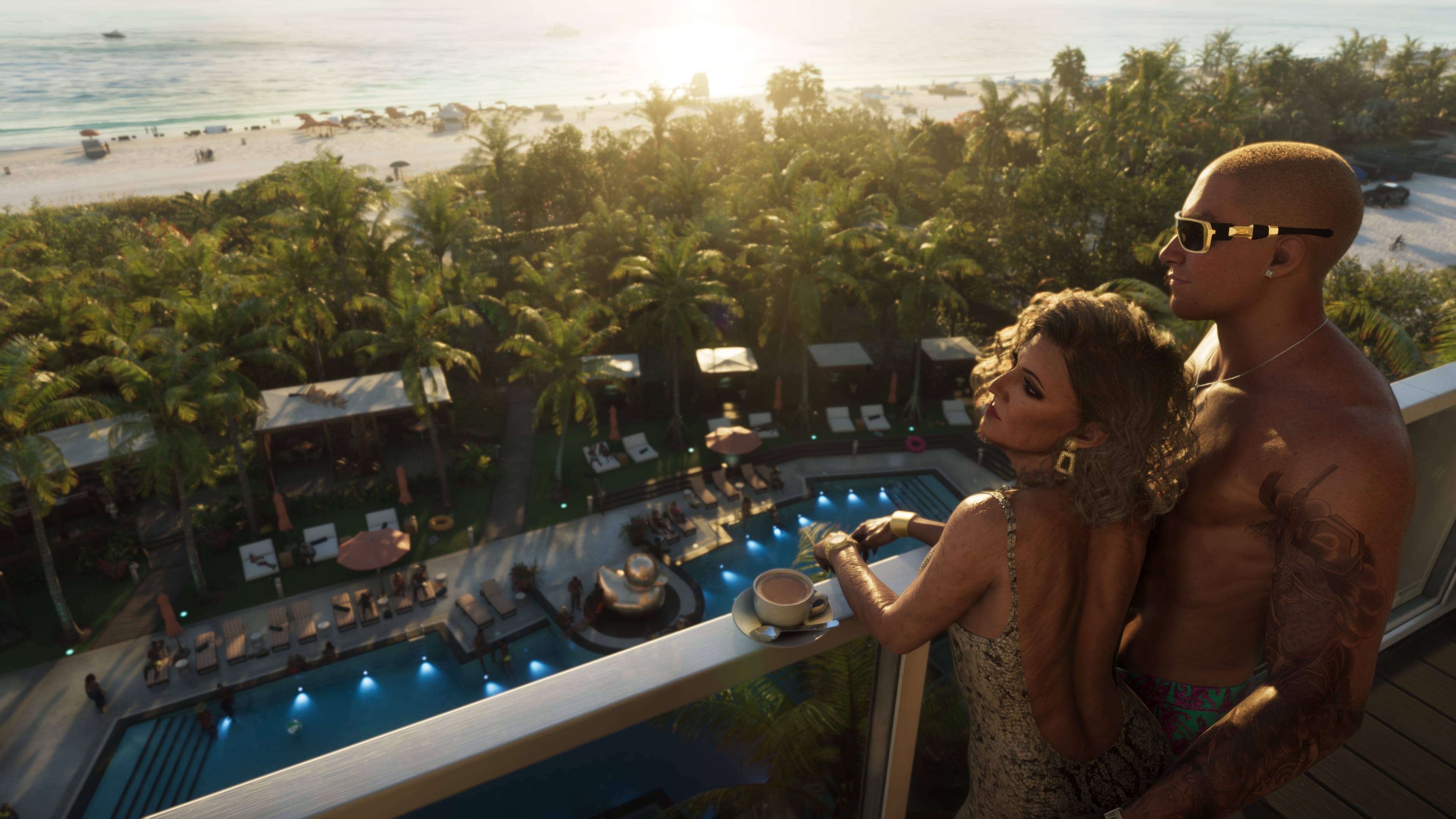
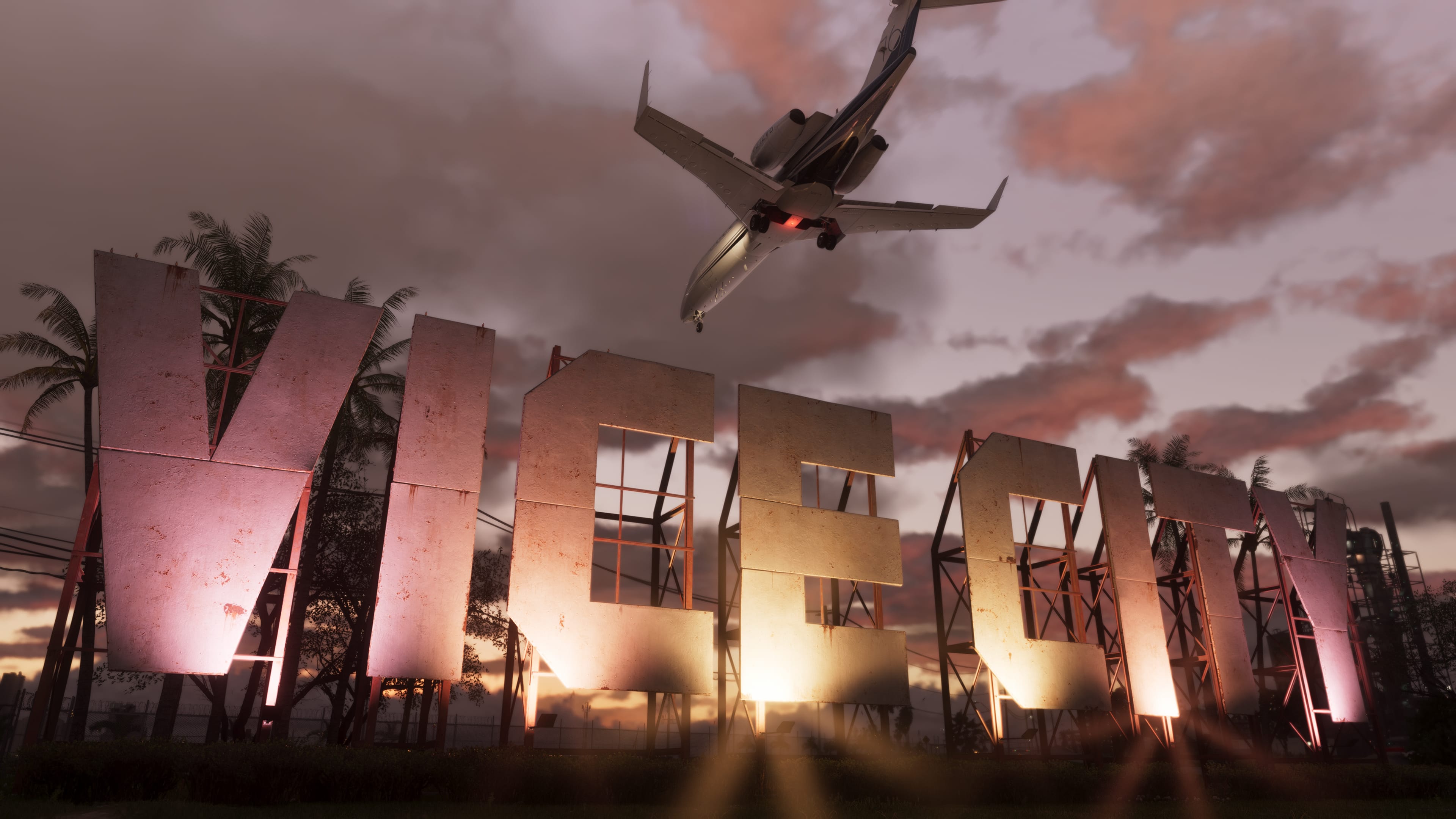
GTA 6's Ocean Drive is the game's most directly recognizable real-world recreation. The art deco buildings lining the strip — with their pastel facades, neon accent lighting, and geometric ornamentation — are clearly modeled after the Miami Beach Architectural District.
Rockstar's version captures the essential character: the low-rise scale, the outdoor café culture, the palm-lined median, and the parade of pedestrians and tourists. The Colony Hotel's distinctive blue tower, the Breakwater's streamline moderne curves, and the Carlyle's triple-arched facade are all recognizable in modified form.
Where GTA 6 diverges is in amplification. The neon is brighter, the crowds denser, the vehicles flashier. This is classic Rockstar — taking reality and heightening it to create a more vivid, more entertaining version.
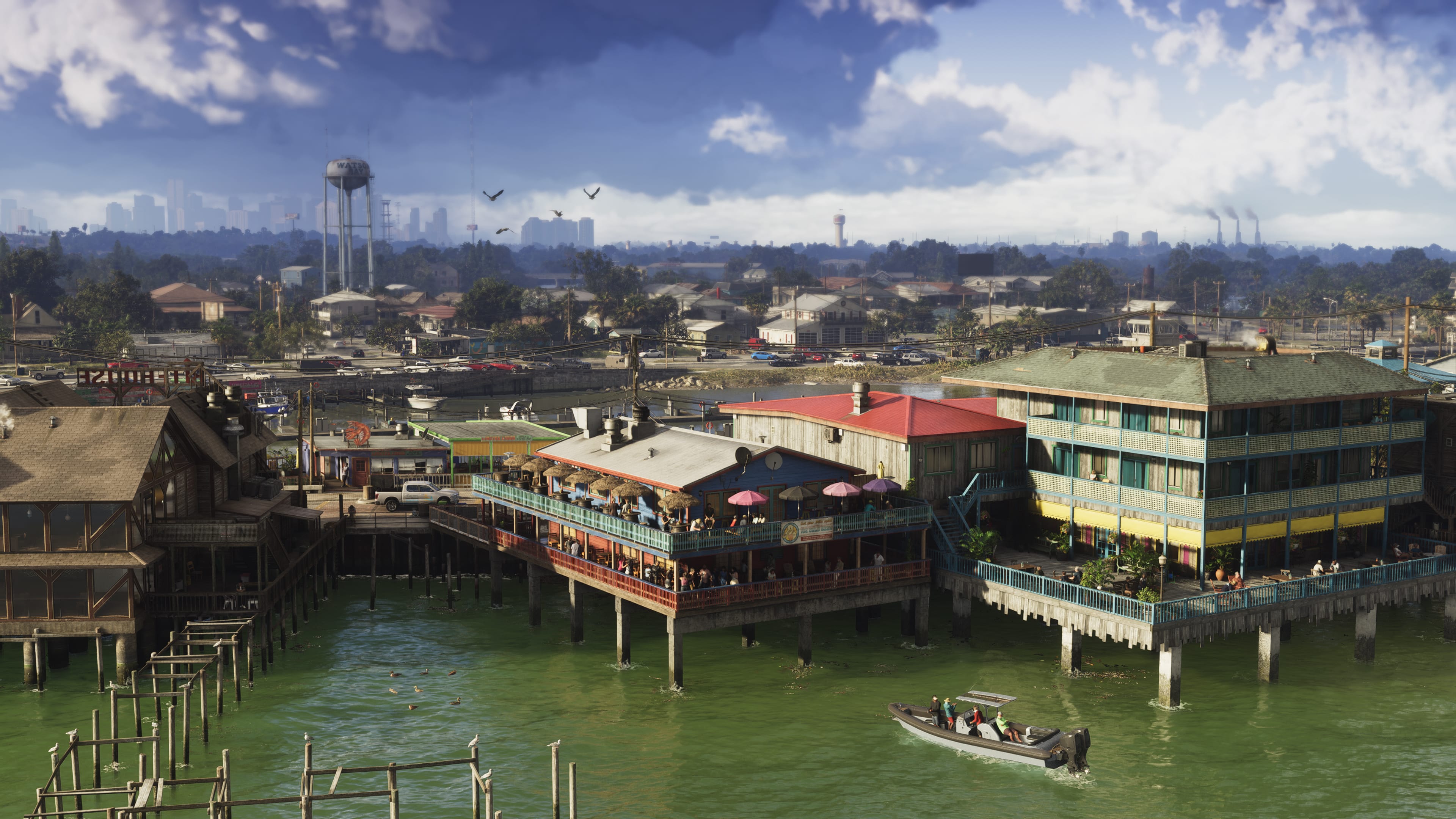
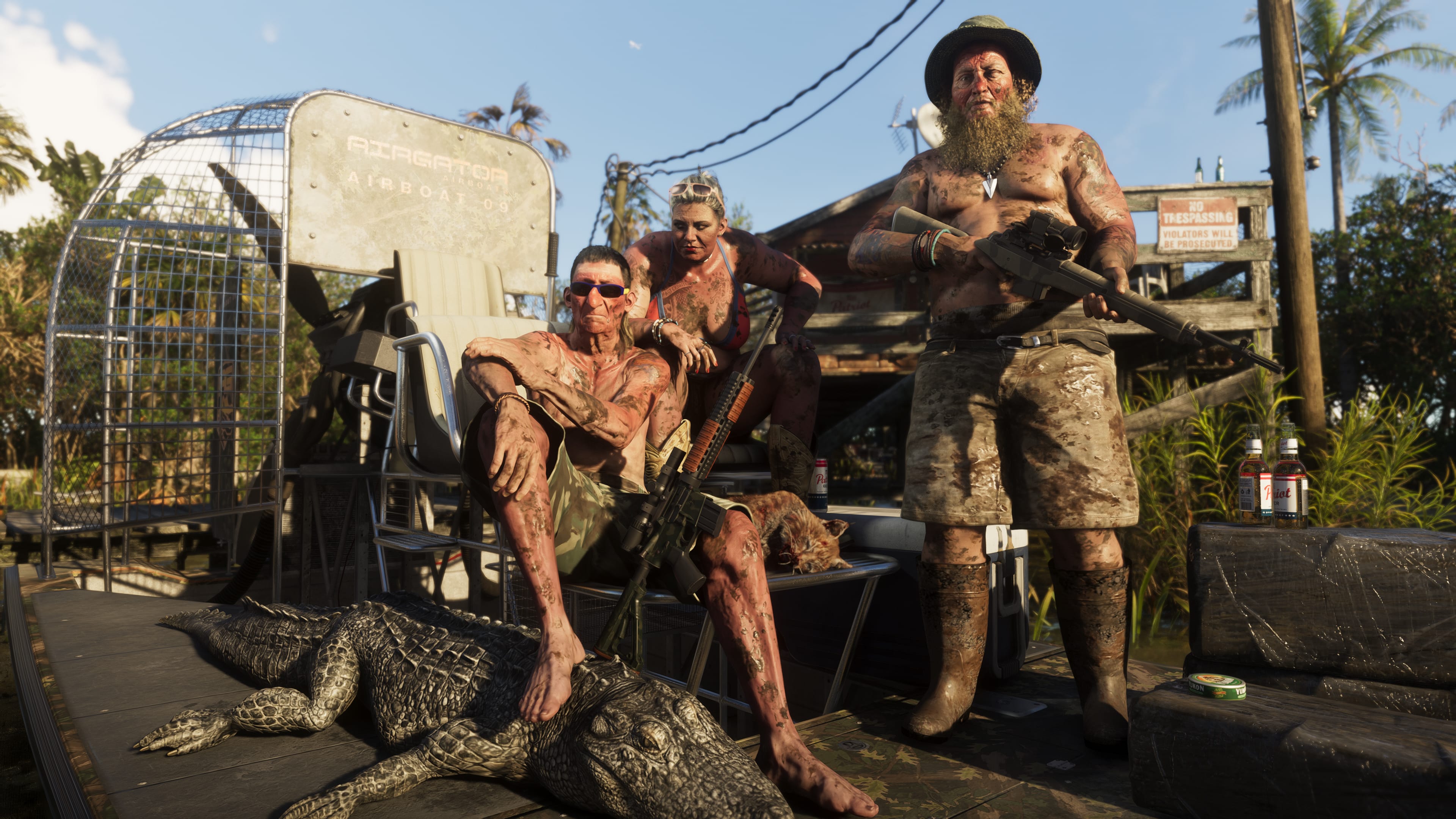
The Everglades is a 1.5-million-acre subtropical wilderness and GTA 6's Grassrivers captures its essence with remarkable fidelity. The name itself translates the Everglades' original description: a slow-moving river of grass.
Real Everglades features include sawgrass prairies, cypress domes, mangrove estuaries, and waterways navigable only by airboat. GTA 6's version renders all of these with next-gen detail — sawgrass as individual stalks, cypress trees with accurate knee structures and Spanish moss.
The wildlife comparison is particularly interesting. Real Everglades hosts over 200,000 alligators, Florida panthers, manatees, and the infamous invasive Burmese pythons. GTA 6 confirms alligators and birds at minimum.
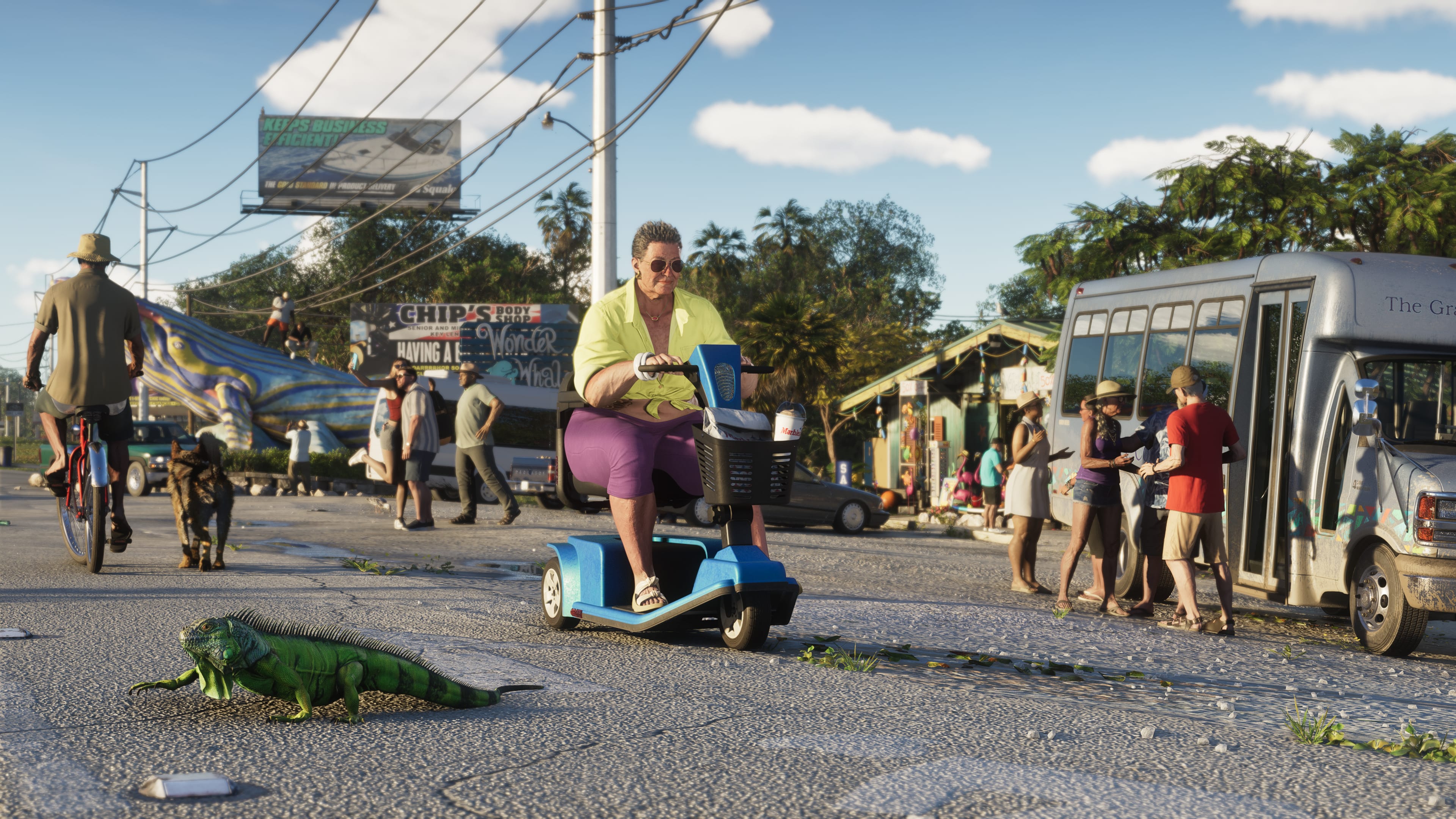
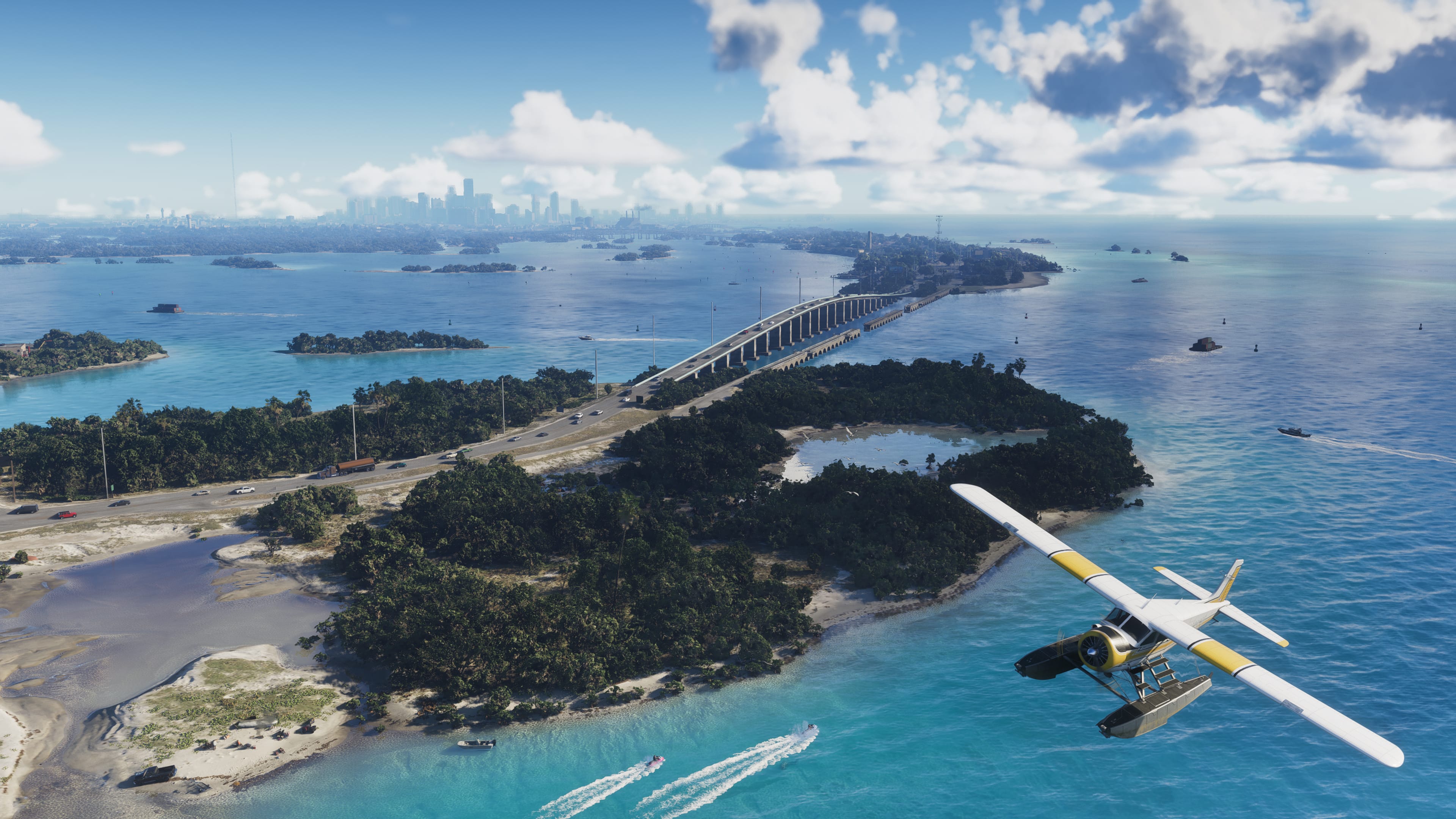
The Florida Keys are a 120-mile coral cay archipelago connected by the Overseas Highway — one of the most scenic drives in America. GTA 6's Leonida Keys compress this chain while preserving the essential experience: dramatic bridges over turquoise water, the shift from mainland hustle to island time.
The Key West equivalent appears at the chain's southern end with its Duval Street-style bar district, sunset celebration pier, and colorful conch houses. The Keys' real smuggling history — from Prohibition rum running to 1970s cocaine trafficking — provides natural narrative material.
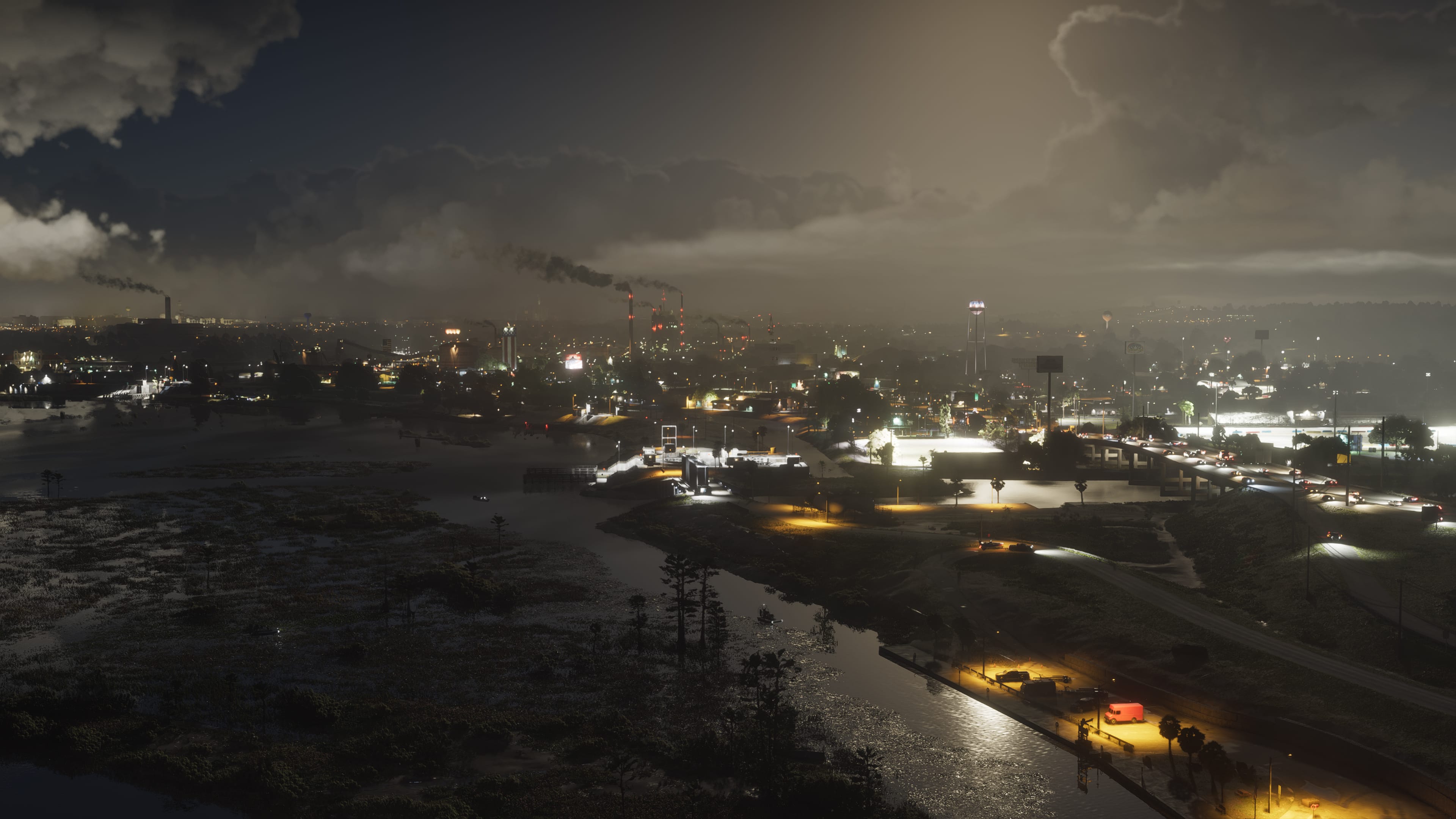
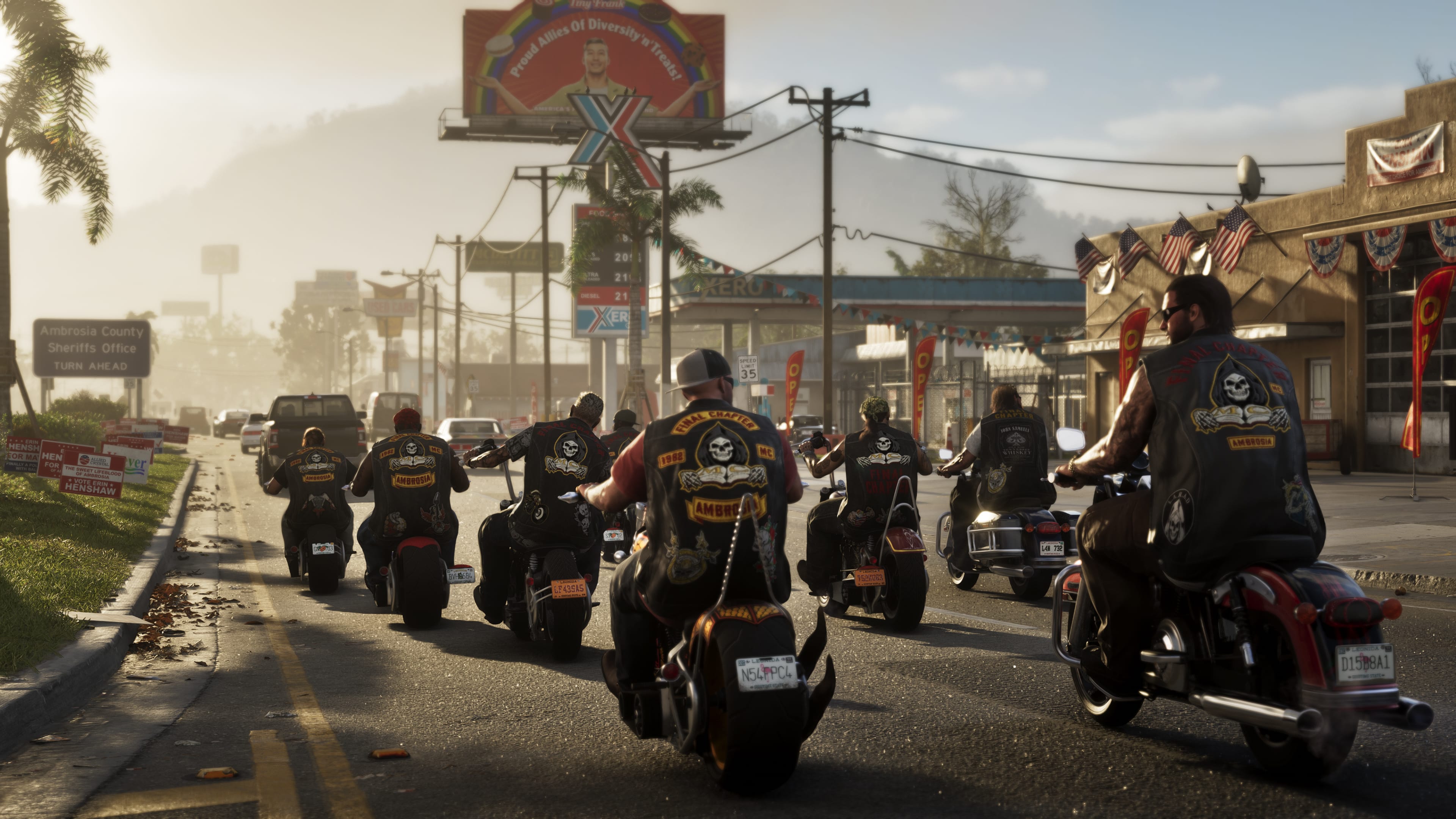
Palm Beach is an island town of ~9,000 residents containing more concentrated wealth than almost anywhere on Earth. GTA 6's Ambrosia is a pointed satire of this world — gated entrances, private security, palatial estates, and the implication that behind every fortune is a crime.
The visual contrast between Ambrosia and the rest of Leonida is stark and intentional. Where Vice City is colorful and chaotic, Ambrosia is restrained and controlled. This is Rockstar's most pointed commentary on American wealth yet.

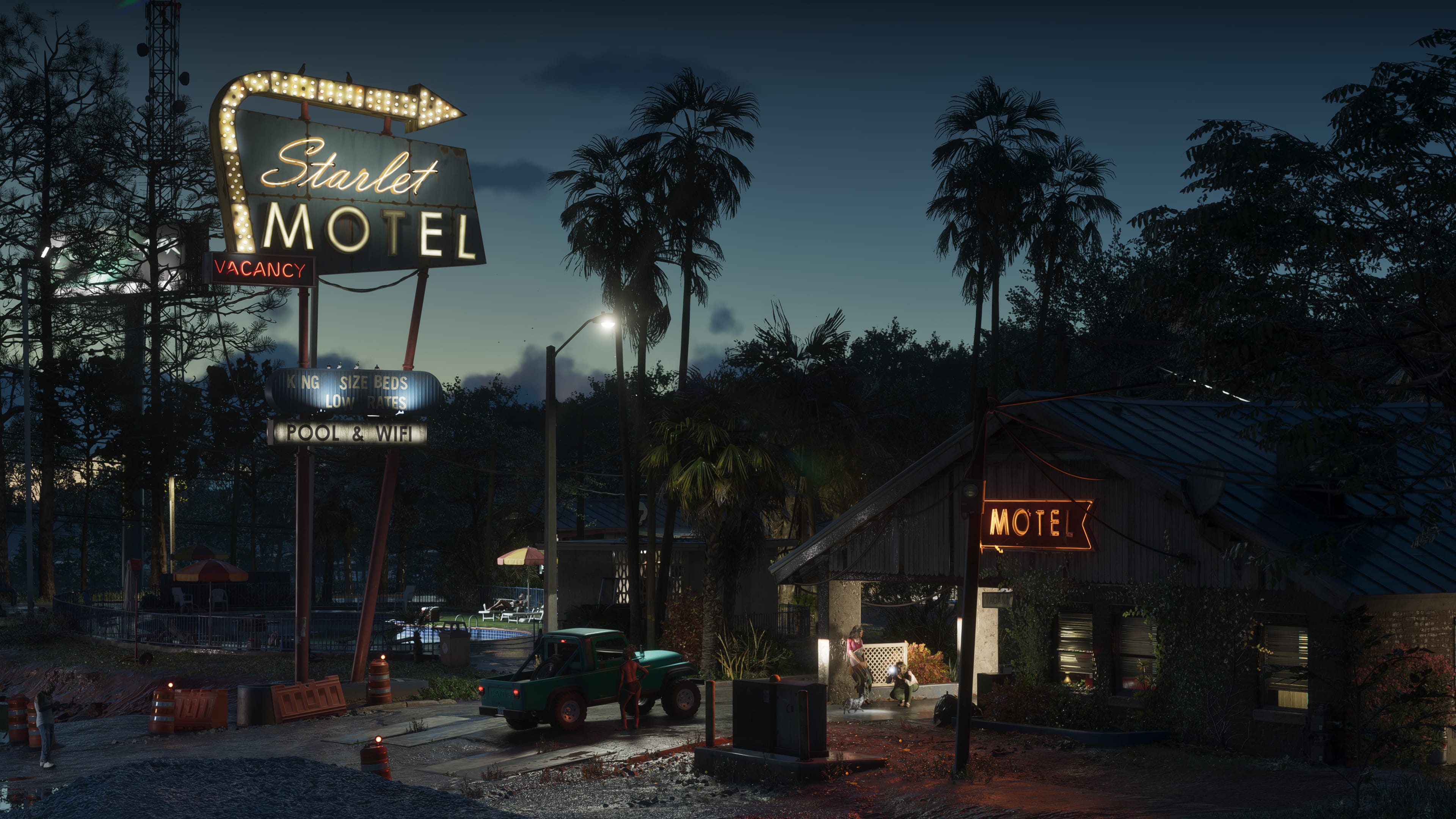
Port Everglades is Florida's deepest port and one of the top three cruise ports in the world. GTA 6's Port Gellhorn combines its industrial scale with Fort Lauderdale's broader urban character — container terminals, gantry cranes, and cargo vessels at impressive scale.
Real-world ports are notorious nexuses of organized crime — drug imports, cargo theft, union corruption. Port Gellhorn likely serves as the logistical backbone of GTA 6's criminal economy. It represents the reality behind the glamour.
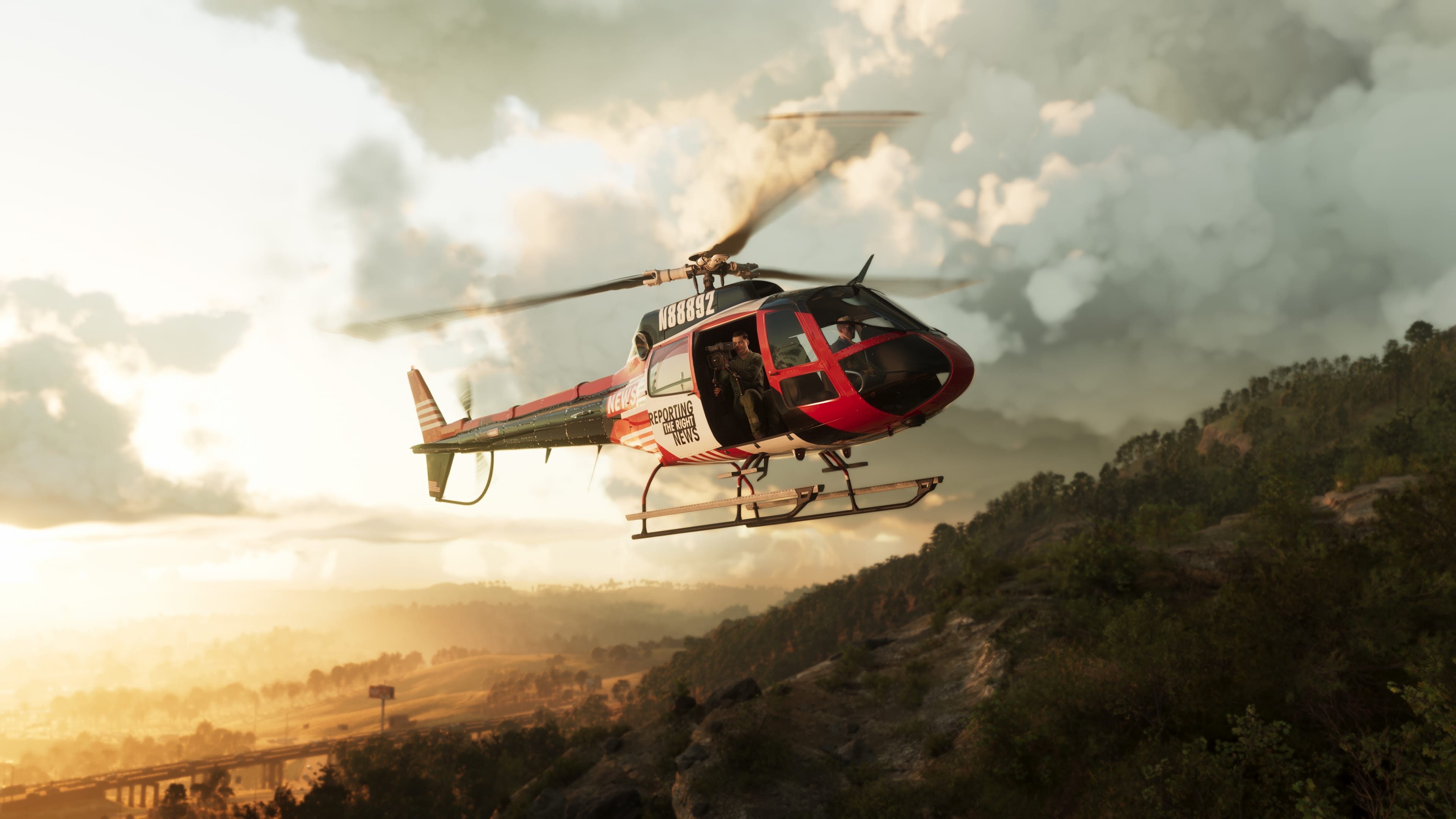
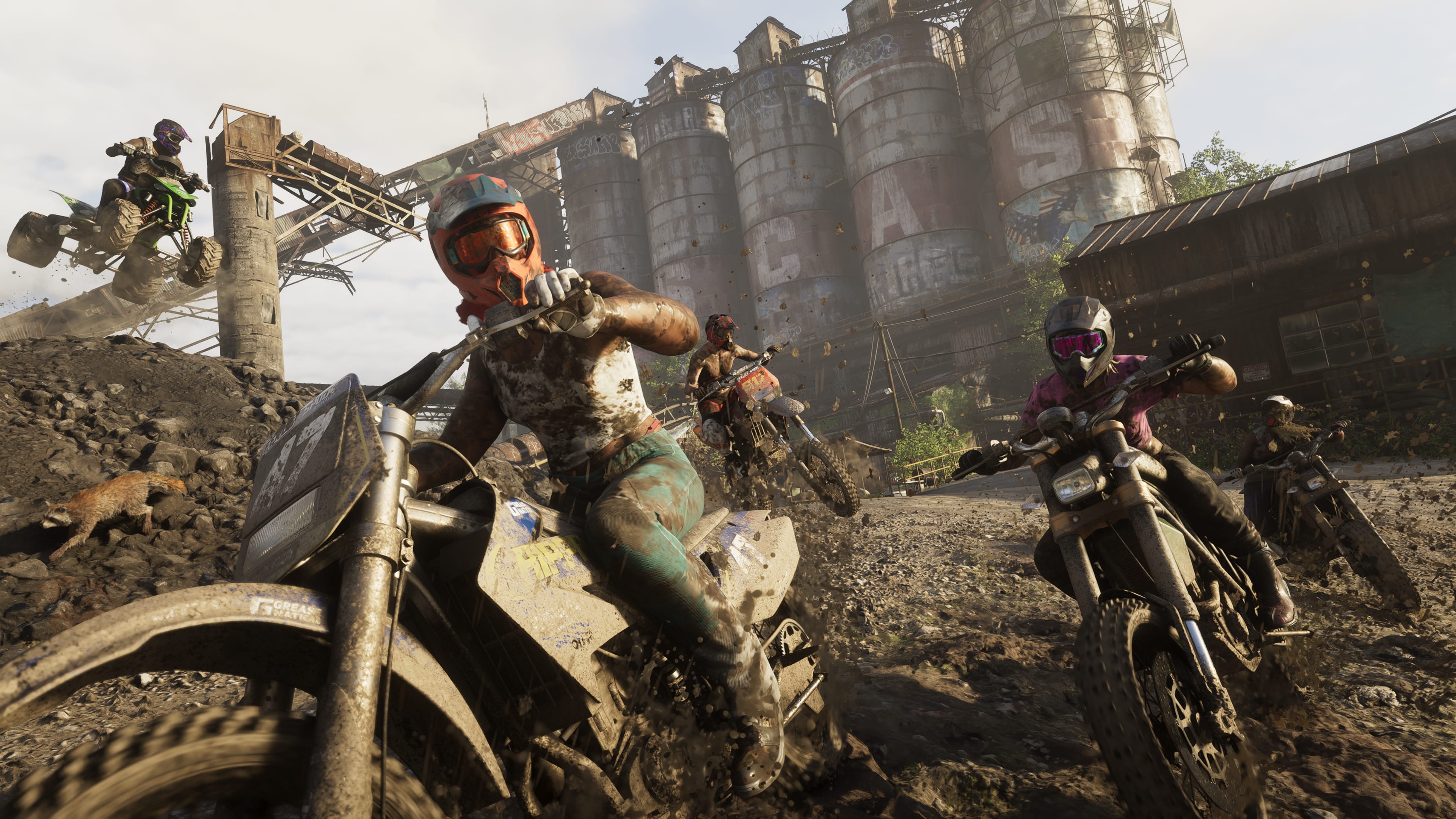
This is where GTA 6 takes its biggest creative liberties. Real Florida is famously flat — the highest point is only 345 feet. Rockstar's Mount Kalaga adds topographic drama that doesn't exist in reality, drawing from Big Cypress and Ocala while amplifying the terrain.
This is smart game design. GTA games need terrain variety for gameplay diversity. The national park framing enables unique rules: restricted weapons, ranger patrols, wildlife encounters, and outdoor recreation that contrasts with the urban criminal focus.